The Thrill of Chance Understanding the Allure of Gambling
The Psychology Behind Gambling
The appeal of gambling often transcends mere monetary gains, reaching deep into the realms of human psychology. Many individuals are drawn to the thrill of uncertainty and the adrenaline rush that comes with taking risks. This sensation can be likened to a roller coaster ride, where the unexpected offers both excitement and potential reward. Our brains release dopamine, a chemical associated with pleasure, whenever we take a chance, whether it leads to success or failure. This emotional payoff creates a compelling cycle that keeps people coming back for more.
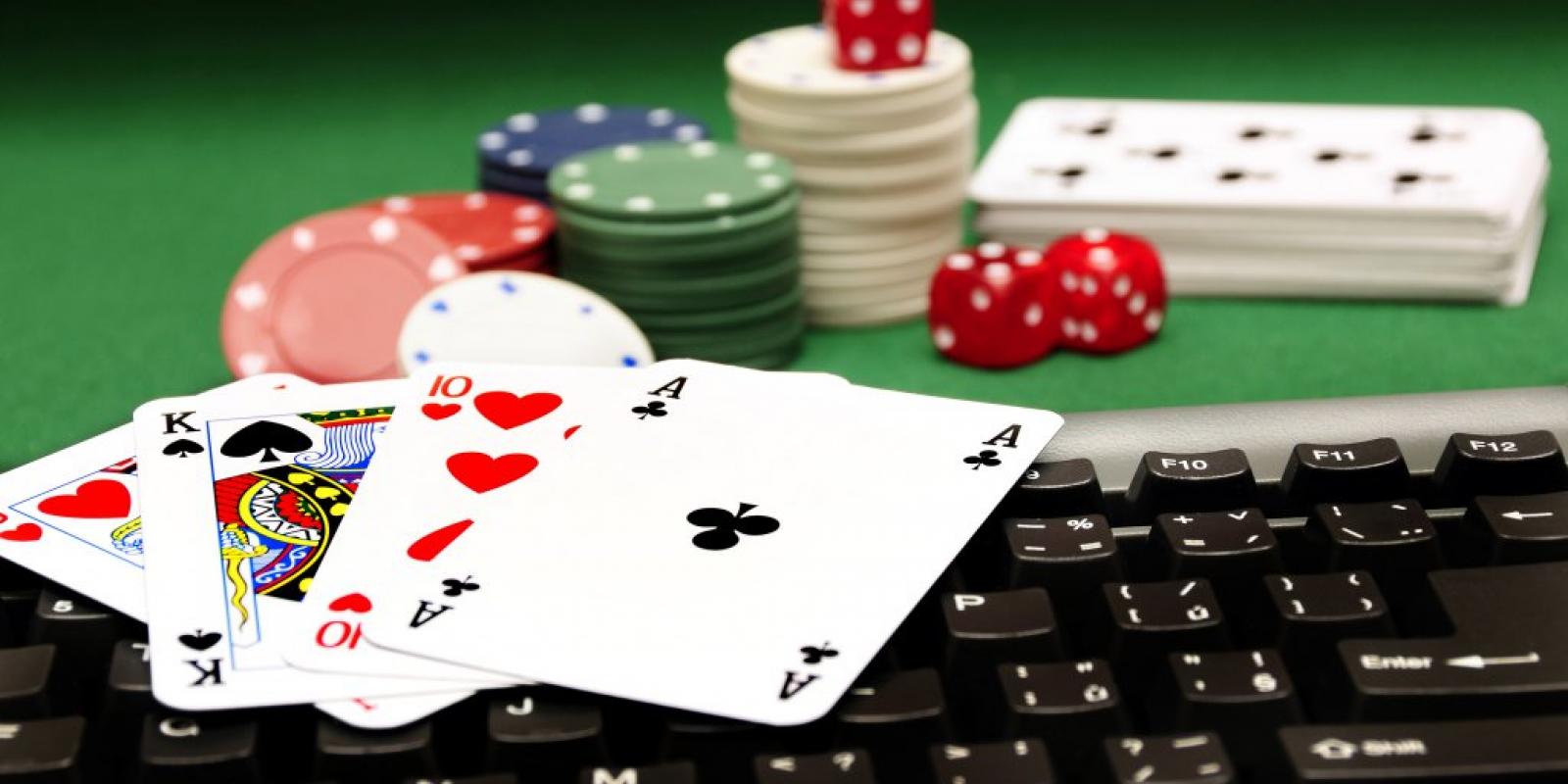
Moreover, the social aspect of gambling contributes significantly to its allure. Many people consider casinos and gambling venues as social hubs where they can bond with friends or meet new people. The ambiance of excitement, combined with the potential for unexpected wins, fuels a vibrant atmosphere that enhances the overall experience. Even online gambling has evolved to include social elements, allowing players to interact in real-time, making it a collective activity rather than a solitary one. Many players prefer platforms like spinrise to enjoy this interaction.
The Role of Chance and Luck
Chance and luck play pivotal roles in gambling, lending it an unpredictable nature that many find irresistible. The notion of a lucky break or a fortuitous turn of events can be immensely appealing. This uncertainty attracts not just seasoned gamblers but also casual players who enjoy the idea of “playing the odds.” The excitement that accompanies betting on the outcome of a game or lottery tapers the boundaries of rational decision-making, leading individuals to take risks they wouldn’t normally consider.
Furthermore, the symbolic significance of luck in culture elevates gambling to a mystical experience. Many gamblers rely on rituals, charms, or lucky numbers, investing emotional meaning into their choices. These personal connections to luck amplify the thrill, as individuals feel they are not just playing a game but engaging in a narrative filled with fate and fortune. The intertwining of belief and chance fosters a potent allure, making every bet a unique adventure.
The Economic Impact of Gambling
The gambling industry constitutes a substantial segment of the global economy, providing jobs and generating substantial revenue for governments. Casinos, racetracks, and online platforms contribute to local and national economies, with many jurisdictions relying on gambling taxes to fund public services. The thrill that gambling instills in patrons, combined with the economic benefits, creates a unique partnership between societal enjoyment and financial gain.
In addition to local economies, gambling tourism has surged, drawing visitors from afar eager to indulge in the thrill. Locations known for their vibrant gambling scenes attract those seeking excitement and entertainment, making it a lucrative industry. The interconnected relationship between gambling and tourism amplifies the appeal, as people associate trips to these locations with adventure and potential windfalls, reinforcing gambling’s allure on a larger scale.
Exploring Responsible Gambling
While the excitement of gambling can be captivating, it is crucial to approach it responsibly. Understanding personal limits and the importance of moderation ensures that the thrill does not turn into an obsession. Many organizations and websites provide resources and tools to help individuals engage in gambling safely. They promote practices such as setting budgets and recognizing when to step away, allowing for enjoyment without negative consequences.
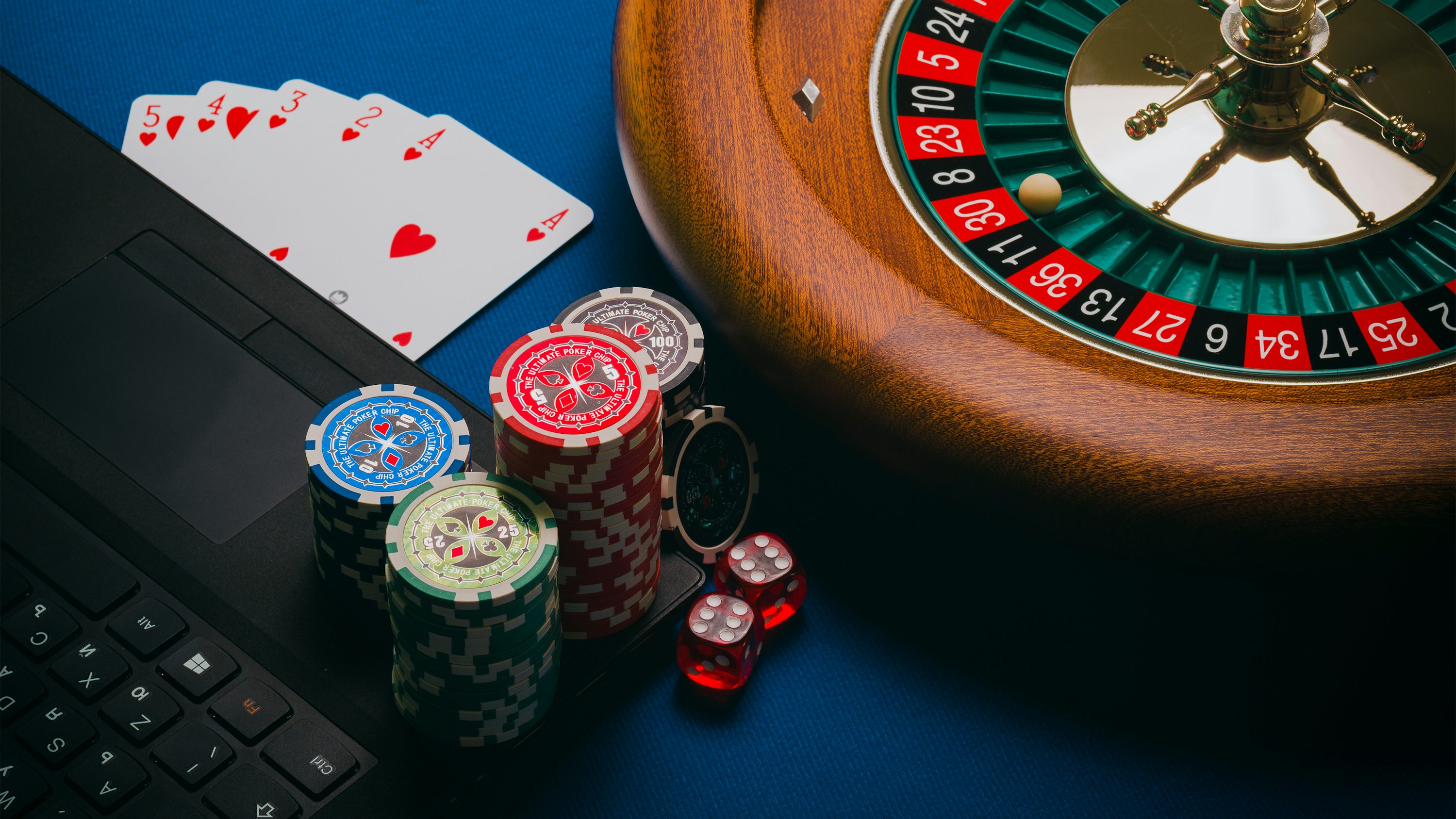
By fostering a culture of responsible gambling, stakeholders can balance the entertainment aspect with the necessity of protecting individuals from potential harm. Education and awareness serve as vital tools in this endeavor, enabling players to enjoy the thrill while remaining mindful of their behaviors. Emphasizing responsible gambling contributes to a healthier relationship with chance and risk, ensuring that the allure remains a source of enjoyment rather than distress.